Building a DevSecOps Maturity Framework: A High-Level Playbook for Enterprises
Pranav LakhaniApril 24, 2025
Share this article


Let AI highlight what matters.
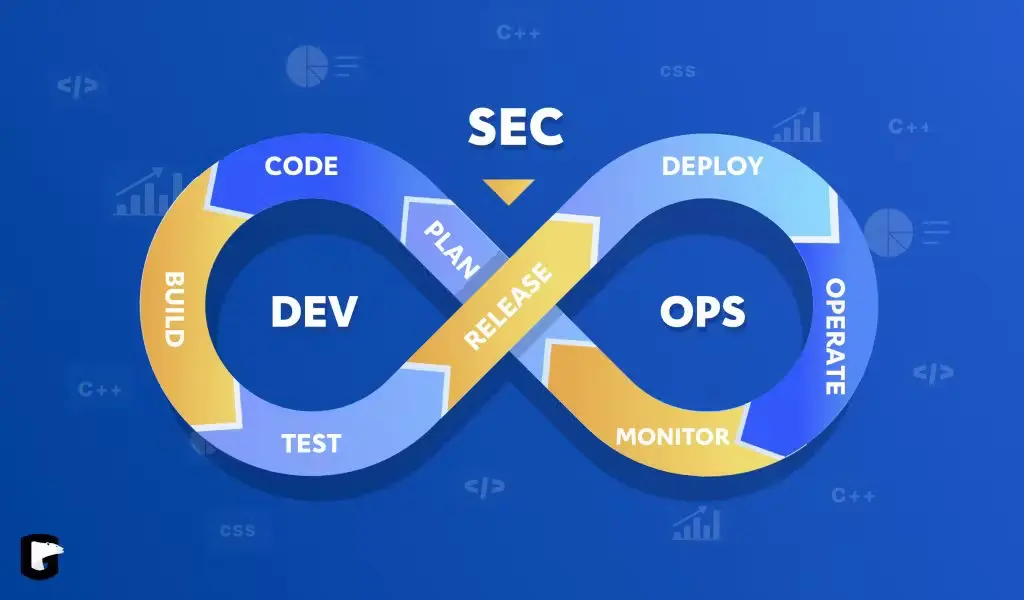
This model serves as a roadmap for improving how security is embedded throughout the software development lifecycle. It outlines various stages of security evolution, from basic compliance to intelligent automation.
Typical stages include:
Relying on ad hoc security practices isn’t sustainable. A maturity model helps:
Start by analyzing how and where security is currently integrated. Do your pipelines include static analysis? Are container images scanned regularly? Understanding this helps establish your baseline.
Define KPIs such as Mean Time to Remediate (MTTR), vulnerability counts, and security test coverage. These metrics help track progress and justify investments.
Security shouldn’t be isolated in one team. Empower developers with secure coding resources, and foster collaboration between Dev, Ops, and security roles.
Use tools like SAST, DAST, and SCA to identify issues early. Automating security tasks reduces human error and speeds up remediation.
Regular retrospectives, incident reviews, and dashboarding allow continuous improvement. Feedback should guide updates to policies and toolchains.
| Challenge | Suggested Approach |
|---|---|
| Siloed teams | Establish cross-functional workflows and shared objectives |
| Lack of tooling | Invest in tools that integrate with existing CI/CD systems |
| Unclear ownership | Assign security champions in development and operations teams |
| Manual compliance processes | Automate policy enforcement and audit logging |
By advancing along a maturity curve, organizations can:
Adopting a DevSecOps Maturity Model isn’t just about tools—it’s about building a security-first culture that evolves over time. Whether you’re just getting started or looking to refine existing practices, a clear framework helps you stay aligned, agile, and resilient.
Need help building a tailored security strategy? Our DevSecOps experts can guide you through the entire journey—from planning to execution—at any stage of your security evolution.
 Pranav Lakhani
Pranav brings over 20 years of expertise in software development and design, specializing in delivering enterprise-scale products. His unique ability to manage the entire product lifecycle ensures innovation and technical excellence across every project.
We’re ISO/IEC 27001:2022 certified, ensuring your projects are executed with globally recognized security standards.

INDIA
 sales@nextgensoft.io
 +91 81284 66678


